

Blogs
NFPA 25 Inspection Frequencies Explained

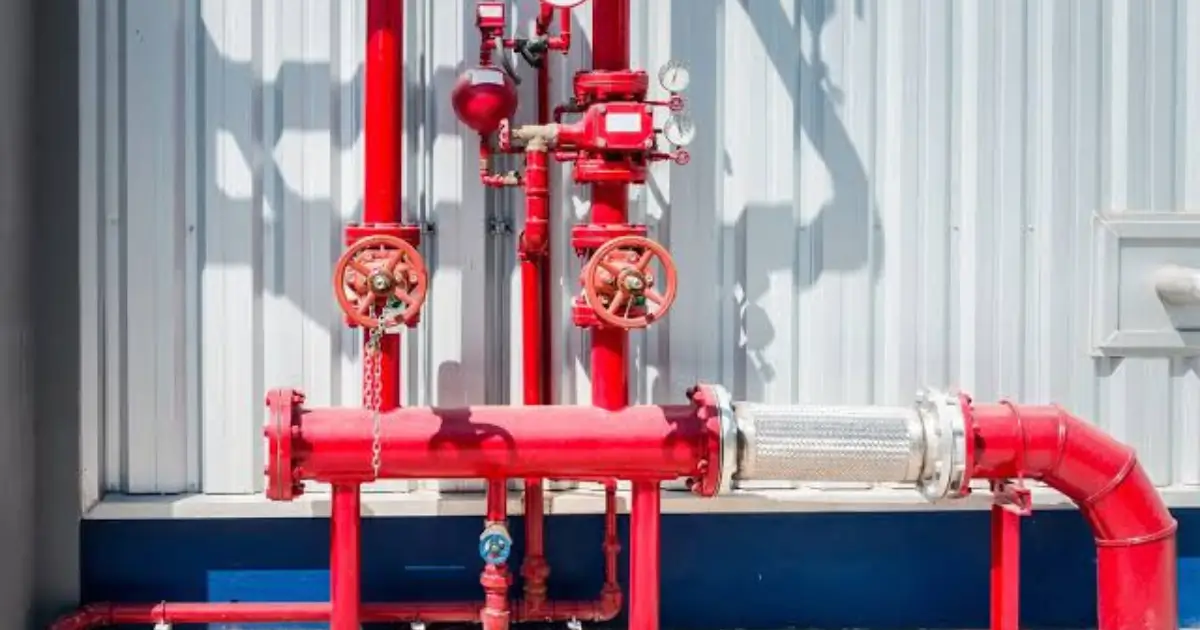
If you have ever looked at your building’s fire protection compliance calendar and felt a little overwhelmed, you are not alone. Between weekly checks, monthly tests, and multi-year inspections, it can feel like there is always something due. The truth is, once you understand the logic behind the schedule, it makes a lot more sense.
That is exactly what we want to do here. We are breaking down NFPA 25 inspection frequencies in plain language, so you know what needs to happen and when, without having to dig through a technical standard yourself.
Why the Schedule Is Broken Into Tiers
NFPA 25 inspection frequencies are not arbitrary. They are built around risk. Components that are most likely to cause a system to fail, like control valves, are checked the most often. Components that degrade slowly, like the inside of your piping, only need attention every few years. Understanding this tiered logic makes the whole schedule click into place.
Weekly and Monthly Checks
At the high frequency end, you are looking at control valves and gauges. Unsupervised control valves generally need a weekly visual check to confirm they are open, since a closed valve is one of the single biggest reasons sprinkler systems fail during a fire. Gauges on wet and dry systems get checked monthly to confirm pressure is where it should be. If your building has a fire pump, that gets exercised on a similar cadence too.
Quarterly and Semiannual Testing
This tier is mostly about the equipment that tells you when something is wrong. Waterflow alarm devices are tested quarterly to confirm they will notify people and, where applicable, the monitoring station, the moment your system activates. Electrically supervised valves and vane switches typically move to a semiannual schedule, since the supervision system itself is already keeping an eye on things day to day.
The Annual Deep Dive
This is where NFPA 25 inspection frequencies really pick up in detail. Once a year, a qualified fire protection professional needs to physically inspect sprinkler heads, piping, hangers, and control valves. Main drain tests, backflow preventer performance tests, and fire pump flow tests also happen on this annual cycle. This is the visit that catches slow, quiet deterioration before it becomes an active problem.
The Multi-Year Milestones
Some parts of your system only need attention every few years, but when they do, it is a bigger job. Every five years, technicians conduct an internal pipe inspection to check for buildup or obstruction inside the piping itself, along with an internal inspection of alarm and check valves. Sprinkler heads themselves eventually reach an age, often ten years for standard types, where sample heads get pulled and lab tested to confirm they still activate the way they are supposed to.
Why Staying On Schedule Actually Matters
Skipping even one of these intervals does not just risk a compliance violation. It creates a blind spot in a system you are counting on to work during an emergency. Following the full range of NFPA 25 inspection frequencies is really about making sure nothing gets forgotten simply because it does not come up very often.
Keep Your Compliance Calendar On Track
Staying on top of every one of these intervals is a lot easier with a team tracking it for you. Inspector Sprinkler keeps NYC buildings on schedule and fully compliant, year after year.