

Blogs
Why Fire Sprinkler Testing Is Required

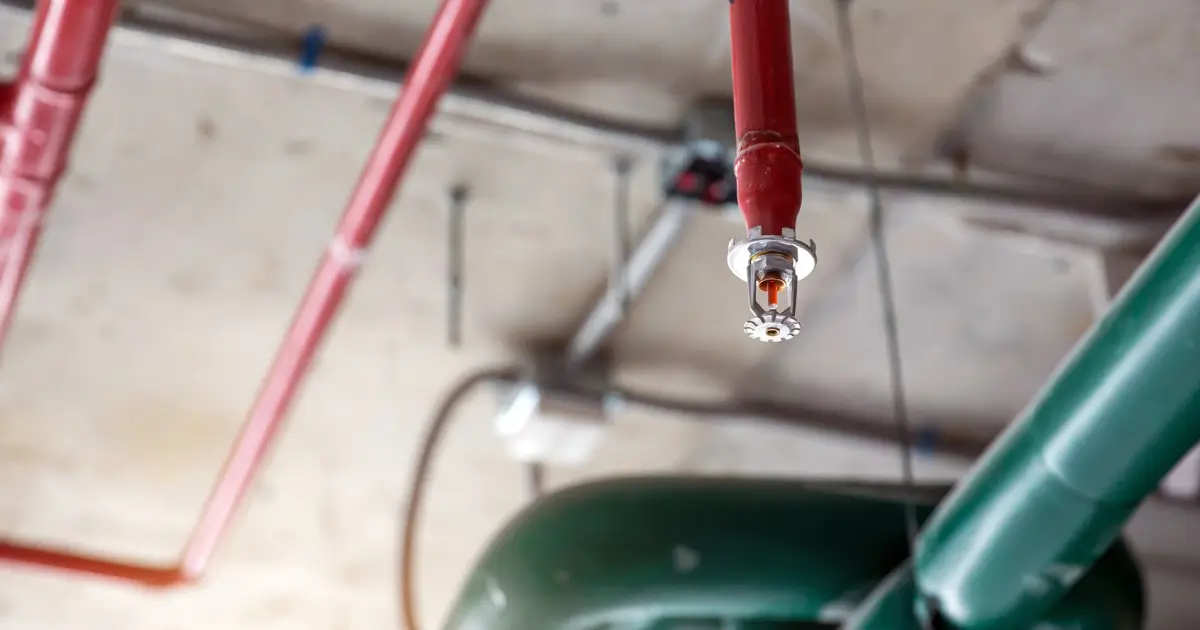
It is a fair question. You already have a sprinkler system installed, so why does it need to be tested over and over again? Shouldn’t installing it once be enough?
It is a reasonable thing to wonder, but the answer matters more than most building owners realize. Understanding why fire sprinkler testing is required can be the difference between a system that actually saves your building someday and one that quietly fails when you need it most.
Systems Degrade Even When Nothing Looks Wrong
A sprinkler system can look completely fine from the outside while something inside is slowly going wrong. Pipes corrode from the inside out. Valves can drift out of position without anyone noticing. Pressure can drop gradually over months. None of these problems announce themselves. Testing is the only way to catch them before a fire does.
Your Business Might Not Survive Without It
According to FEMA, roughly half of all businesses never reopen after a major disaster like a fire. That statistic alone should reframe how you think about fire protection. A properly tested system is not just a compliance checkbox. It is a real factor in whether your business and your building survive a serious incident.
Insurance and Code Requirements Both Depend On It
This is one of the biggest reasons why fire sprinkler testing is required in the first place. Your insurance carrier likely requires proof of a working system, often through documentation like a main drain test, before honoring certain claims. Local fire codes require it too, since regulators cannot simply trust that a system installed years ago is still functioning properly without evidence.
What a Real Testing Routine Involves
A proper routine covers more ground than most people expect. Technicians inspect pipes, fittings, and valves for damage or corrosion. They exercise control valves to confirm they open and seal without leaking. They test the alarm and supervisory switches to confirm the fire alarm panel gets notified. They run water flow tests to simulate an actual activation. And they perform a main drain test to confirm the system is getting the water flow it needs.
The Five-Year Deep Dive Matters Too
Beyond the annual routine, every five years, your system goes through more intensive testing. This includes hydrostatic testing of fire department connections, internal pipe inspections to check for buildup, and flushing to clear out sediment or debris. These deeper checks catch the kind of slow, internal deterioration that a surface-level inspection would never find.
The Bottom Line
At the end of the day, the requirements of fire sprinkler testing come down to one simple idea: a system you have never tested is a system you are only hoping works. Regular testing turns that hope into confidence. If your last test is more than a year behind you, Inspector Sprinkler can get your system verified and your building protected.